Backsplash Installation Portland Homeowners Trust
- Emmanuil Lazurko
- May 20
- 6 min read

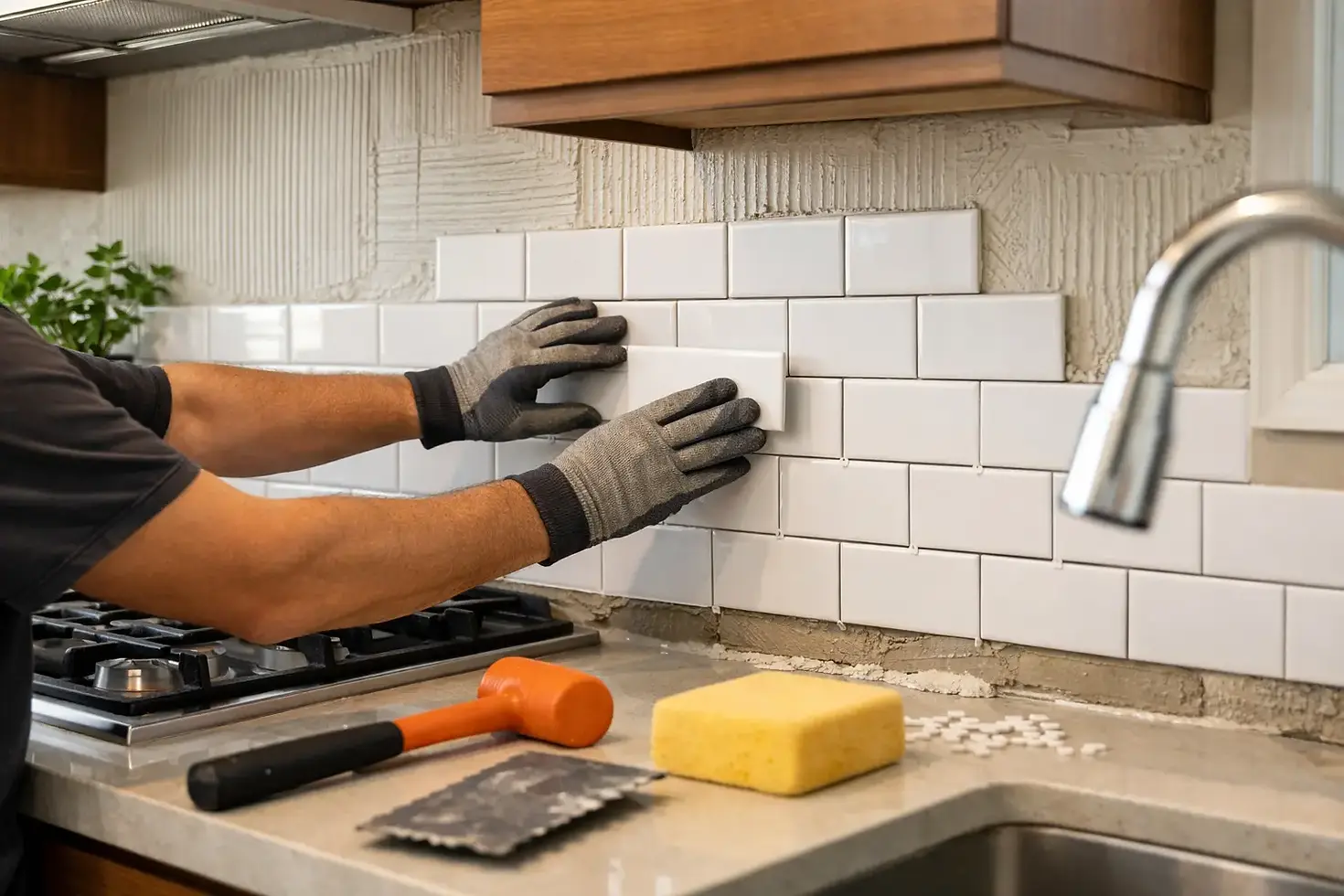
A backsplash looks simple until you see one that was rushed. Crooked lines, uneven grout joints, sloppy cuts around outlets, and thinset haze can make a kitchen or bathroom feel cheaper than it is. That is why backsplash installation Portland homeowners choose should be treated like finish carpentry - precise, clean, and built to hold up.
A good backsplash does more than protect drywall from water and cooking mess. It frames the countertop, ties cabinets and paint together, and gives the room a finished look. When the tile is installed correctly, it feels intentional. When it is not, every small flaw catches your eye.
What matters most in backsplash installation Portland projects
In Portland-area homes, no two walls are exactly the same. Older homes often have settling, uneven drywall, wavy plaster, or previous remodeling work hidden behind the paint. Newer homes can have their own issues too, especially if cabinet lines, countertop seams, or outlet placements were not perfectly aligned to begin with.
That is where professional installation makes a real difference. Backsplash tile is a detail-driven trade. The installer has to account for the level of the countertop, the straightness of the cabinets, the condition of the wall surface, and the layout of the room before the first tile goes up. If that planning step gets skipped, the finished product usually shows it.
A clean result starts with prep. Walls need to be sound, flat enough for the tile selected, and free of grease or damage. Layout needs to be established so cuts are balanced and visually consistent. Transitions at counters, windows, corners, and cabinet bottoms need to look deliberate, not improvised. These are small details, but they are exactly what separate premium workmanship from shortcut work.
Choosing the right backsplash tile for your space
The right tile depends on the look you want, but also on how your kitchen or bathroom is built. A lot of homeowners start with style, which makes sense. Subway tile, stacked tile, mosaic sheets, zellige-inspired finishes, and large-format porcelain all create a different feel. But material and size also affect installation quality, maintenance, and cost.
Subway tile
Subway tile remains popular because it is clean, versatile, and works with many cabinet styles. It can be laid in a standard brick pattern, stacked vertically, or arranged in herringbone for a more custom look. It is also forgiving in many spaces, though not every subway tile is the same. Some have slight size variation, and that changes the spacing and layout strategy.
Mosaic tile
Mosaic sheets can add texture and visual interest, especially in smaller areas or feature sections. The trade-off is that they require careful setting to avoid visible sheet lines and uneven surfaces. Cheap installation shows up quickly with mosaics because every mismatch stands out under task lighting.
Large-format tile
Larger tiles can create a cleaner, less busy appearance with fewer grout joints. They can also be harder to install on walls that are not perfectly flat. If the wall prep is poor, lippage and hollow spots become a problem. This is one of those cases where material choice and installation quality are closely tied.
Natural stone and handmade-look tile
Stone and artisan-style tile can look excellent, but they often come with variation in thickness, edges, and color. That is part of the appeal, but it also means the installer has to know how to work with imperfect material and still deliver a controlled finish. These products are not ideal for a rushed install.
Why layout is where quality shows up
Most homeowners notice color first, but installers notice layout. That is because layout determines whether the backsplash looks sharp or slightly off every time you walk into the room.
A proper layout considers where the eye lands. The space behind the range, the run under a window, and the sections around outlets are usually the most visible. Tile should be centered or balanced where it matters most, not just started at one end to save time. Small slivers at the end of a run, uneven cuts under cabinets, and awkward outlet placement can make even expensive tile look poorly planned.
Corners matter too. Some patterns wrap better than others, and some materials need special trim or a clean finished edge. The goal is not just to get tile on the wall. The goal is to make the whole installation look thought through from every angle.
The process behind a professional backsplash install
A well-run backsplash job should feel organized from the start. Homeowners should know what is being installed, how the wall will be prepared, what areas will be protected, and what the finish details will look like.
The process typically starts with measuring and reviewing the tile, pattern, grout choice, and edge conditions. Then the work area is protected so countertops, floors, and adjacent surfaces stay clean. If the wall has damage, texture issues, or old adhesive, that needs to be corrected before tile work begins.
After prep, the layout is established. This is where spacing, cuts, and alignment are dialed in. Tile is then set with the appropriate mortar or adhesive for the material and surface conditions. Once cured, grout is installed, the surface is cleaned, and caulking is applied at change-of-plane areas where needed.
This may sound straightforward, but each step affects the final appearance. Rushed prep leads to uneven tile. Bad layout leads to distracting cuts. Poor cleanup leaves haze, residue, and a job that never really looks finished. Professional execution is not about making the project complicated. It is about doing each part correctly so the final result lasts.
Common backsplash problems that come from shortcuts
Homeowners usually call for replacement work after they have lived with a bad install for a while. The most common issues are not dramatic failures. They are quality problems that become harder to ignore over time.
Uneven grout joints are a frequent complaint, especially with patterned tile or long horizontal runs. Poor cuts around outlets are another. Instead of clean, tight openings covered properly by the plate, you end up with chipped edges or oversized gaps. In other cases, the tile may not bond well because the wall was dusty, glossy, damaged, or simply not prepared for adhesion.
Then there is finish work. Excess caulk, inconsistent grout color, poorly handled outside edges, and thinset left in joints all make the job feel incomplete. These are the signs of work done fast, not work done right.
Backsplash installation in kitchens vs. bathrooms
Kitchen backsplashes usually get the most attention because they are highly visible and often span longer runs. They need to handle grease, splashes, and constant cleaning without looking worn. That means material selection, grout choice, and finish quality all matter.
Bathroom backsplashes are often smaller, but they still need precision. A short vanity backsplash can look simple, yet a bad cut at a faucet line or side splash stands out immediately. Bathrooms also tend to have tighter spaces and more trim transitions, so clean detail work matters just as much there.
The right approach depends on the room. In some kitchens, a full-height backsplash to the bottom of the hood creates the best finish. In others, a standard run is the better fit. In bathrooms, a modest backsplash may be enough, or a feature wall may make more sense if the remodel includes tile beyond the vanity.
Why Portland homeowners tend to value craftsmanship here
Portland homeowners are often updating spaces with a strong eye for finish quality. Some want a clean, modern kitchen. Others are trying to preserve character in an older home while improving function. In both cases, the expectation is the same - the work should look clean, feel durable, and respect the home.
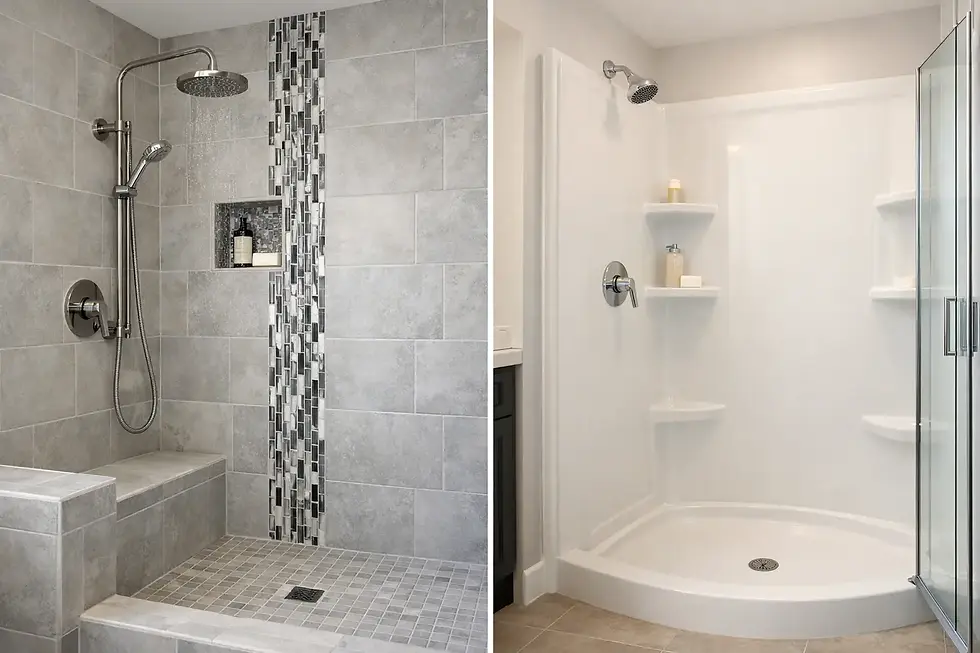
That is especially true when tile is being installed next to new cabinets, fresh paint, updated counters, or remodeled showers. A backsplash is not a background detail anymore. It is part of the visual standard for the whole room. If the tile work is off, it lowers the impact of everything around it.
That is why many homeowners in this market are careful about who they hire. They are not just buying tile labor. They are hiring for judgment, prep standards, cleanliness, and the ability to execute a finished look without excuses. At ELI Construction, that is the standard the work is built around.
What to ask before hiring a backsplash installer
Before moving forward, ask how the wall will be prepared, how the layout will be planned, and how cuts and edges will be handled. Ask what protection will be used for counters and floors. Ask what grout and caulk are recommended for the tile you selected, and why.
Those questions matter because good contractors can answer them clearly. They can explain the process, set expectations, and tell you where the trade-offs are. For example, handmade tile may require more layout flexibility. A heavily textured wall may need prep work before installation starts. Honest communication at that stage prevents frustration later.
A backsplash is a relatively compact project, but it has a big effect on the room. When it is installed with discipline, the result feels clean, intentional, and worth the investment. If you are planning an update, the smartest move is to treat the tile work like the finish detail it is - because that is exactly how it will be seen every day.

Comments